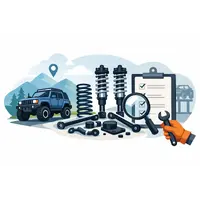
Typing 4WD lift kits near me into Google usually means one thing - your factory suspension is no longer cutting it. Maybe the ute sags with tools in the tray, the wagon bottoms out on touring gear, or you just want better clearance and control off-road. Either way, the right lift kit is not just about getting the vehicle higher. It is about matching springs, shocks and supporting components to how you actually drive.
That is where plenty of buyers get caught out. A cheap kit that looks fine on paper can ride terribly when unloaded, sit unevenly with accessories fitted, or create more problems once bigger tyres and extra weight come into play. If you are buying local, or even searching locally to compare options, it pays to know what separates a proper vehicle-specific kit from a generic bundle.
Local availability matters, especially when you want quick turnaround, fitment advice or the confidence that parts suit your exact make and model. But the closest option is not always the best option. What matters more is whether the supplier understands platform-specific suspension setups for vehicles like the Hilux, Ranger, Navara, D-Max, Pajero, LandCruiser and Wrangler.
A lift kit should be chosen around real use. A tradie carrying constant weight needs a different spring rate from someone who drives a daily ute all week and heads bush once a month. A touring setup with a bullbar, winch, drawer system and long-range tank needs more support than a mostly standard wagon. Height alone tells you very little.
That is why good suspension retailers ask the right questions first. What vehicle is it? What year and series? Diesel or petrol? What accessories are already fitted? How much load is carried day to day? Is it for towing, touring, weekend tracks or worksite use? The better the answers, the better the kit.
Most buyers start with clearance, and fair enough. A lift kit can help with approach angles, breakover clearance and room for a more capable tyre setup. But that should not come at the expense of stability, braking feel or ride quality.
A well-matched kit improves control over corrugations, supports weight more consistently and reduces the tired, wallowy feel that old factory suspension often develops. On-road, the vehicle should feel more settled, not more nervous. Off-road, it should articulate properly without crashing through the stroke every time the track gets rough.
This is where recognised brands matter. Shock tuning, spring quality and long-term durability are not all the same. Established names like Dobinsons, Tough Dog, Bilstein and Blackhawk have earned their place because they are built for the kind of load, distance and conditions Australian 4WD owners actually deal with.
Most 4WD lift kits are built around new shocks and springs, but the detail matters. Some kits are designed for light loads and comfort. Others are tuned for constant accessory weight and towing. Some include extras like upper control arms, airbags or steering components because the base suspension parts alone are not enough for the intended height and use.
The most common mistake is choosing by lift height instead of vehicle setup. Two inches sounds simple, but a 50mm lift on one platform can behave very differently on another. Front-end geometry, factory rake, rear load demands and tyre size all affect the outcome.
The second mistake is underestimating weight. Bullbars, winches, side steps, canopies, roof racks, drawers and tools add up fast. If the spring rate is too soft, the vehicle can still sag even after the kit is fitted. If it is too firm for your actual load, the ride can become harsh and skittish.
Then there is the issue of supporting parts. On some vehicles, once you lift beyond a certain point, upgraded upper control arms become a smart move for alignment and travel. If you tow or carry changing loads, airbags may help fine-tune rear support. If the steering feels vague after suspension changes, a quality steering damper can make a noticeable difference.
A strong price always gets attention, and it should. There is nothing wrong with chasing value. But value only exists if the kit fits properly and performs the way it should.
Vehicle-specific fitment is what saves you from wasting money. A Ranger kit is not a Hilux kit. A LandCruiser 79 Series carrying tools and towing a trailer is not set up like a weekend D-Max. Even within the same model line, year changes, engine variants and suspension updates can affect what suits.
That is why serious suspension buyers look for clear fitment information, not vague promises. You want to know the kit has been selected for your exact vehicle and intended use, not just grouped into a broad category because it might fit.
For Australian buyers, this is also where dealing with a specialist makes life easier. A suspension-focused retailer is more likely to stock the right combinations, understand common platform issues and point you towards a kit that works in the real world, not just in a product listing.
Start with your current setup, not your future wish list. If the vehicle is standard apart from all-terrain tyres, say that. If you already have a steel bar, winch and canopy, say that too. Suspension choice gets expensive when you have to replace springs later because the original plan was incomplete.
Be honest about load. A lot of owners say they only carry weight occasionally, but if the rear is packed with tools most weekdays and camping gear most weekends, that is not occasional. Constant load and variable load need different thinking.
Next, think about how the vehicle spends most of its time. A daily-driven family wagon should not be set up like a dedicated track ute. A work ute that tows regularly needs support and control under load. A touring build needs balance - enough spring to carry gear, enough shock quality to handle long distances without beating you up.
If you are unsure, staying with a moderate lift and a proven brand setup is usually the smarter move than chasing the tallest option available. Better suspension is about overall performance, not bragging rights in the car park.
When people search 4wd lift kits near me, they are often looking for convenience. That makes sense. Local pickup, showroom advice and easier support all matter. But specialist stock range matters just as much, especially if you want proper brand choice and fitment depth.
A good suspension retailer should give you both - fast access to parts and the confidence that the kit is relevant to your vehicle. That is a big reason many Australian buyers look for retailers that combine online ordering with real local support. 4WDSuspension, for example, gives customers a physical point of contact in Dandenong while still offering vehicle-specific suspension options across major 4x4 platforms.
That mix is useful because suspension is rarely a one-size-fits-all purchase. Sometimes you know exactly what you want. Other times you need to compare a Bilstein setup against a Tough Dog or Dobinsons kit based on budget, ride feel and load expectations. A retailer that understands those differences can save you a lot of trial and error.
Lift kits are not just a shopping decision. In Australia, legal ride height limits, wheel and tyre rules, and engineering requirements can all come into play depending on your state and the full vehicle setup. That does not mean lifting your 4WD is a headache. It just means the smartest buyers check the rules before fitting parts.
It is also worth keeping expectations realistic. A lift kit can transform an older vehicle and make a loaded touring rig far more capable, but it will not fix worn steering, poor tyres or bad weight distribution on its own. Suspension works best as part of a well-planned setup.
If you are comparing options right now, focus less on who is closest and more on who actually understands your vehicle. The right lift kit should suit the way you drive, the weight you carry and the tracks you want to tackle - and when that part is right, every kilometre feels like money well spent.


Add your favourites to cart


Log into or create your Afterpay account, with instant approval decision

Your purchase will be split into 4 payments, payable every 2 weeks
All you need to apply is to have a debit or credit card, to be over 18 years of age, and to be a resident of country offering Afterpay
Late fees and additional eligibility criteria apply. The first payment may be due at the time of purchase
For complete terms visit afterpay.com/terms